Shri Ravi Mital
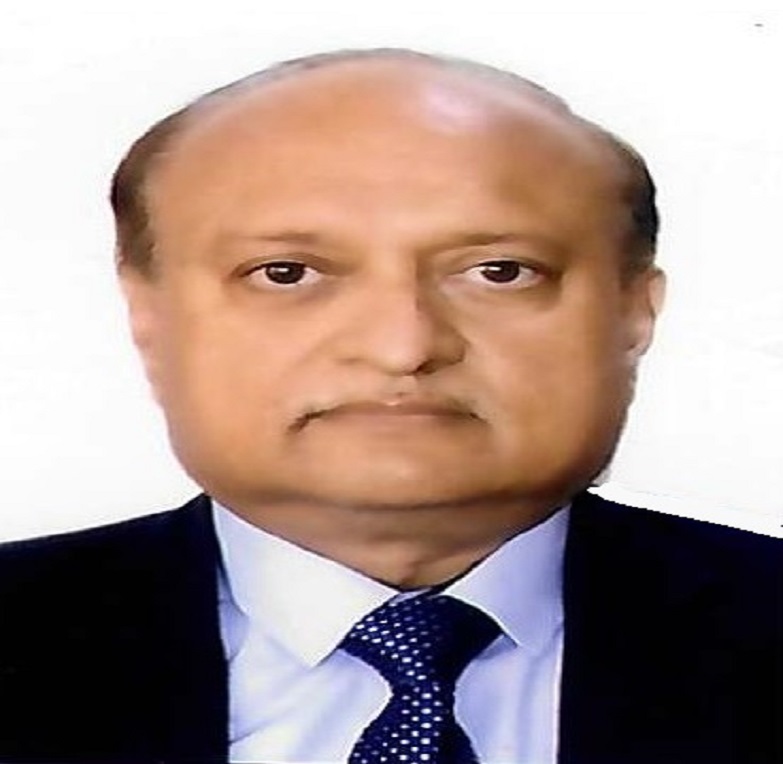
Shri Ravi Mital served as the Chairperson of the Insolvency and Bankruptcy Board of India (IBBI) from 9th February 2022 to 12th September 2026.
Shri Ravi Mital demitted office as Chairperson of IBBI after a tenure marked by the continued development of India’s insolvency ecosystem and the evolution of the Insolvency and Bankruptcy Code (IBC) into a more mature, robust and responsive framework. The period saw sustained efforts towards timely resolution, value maximisation, transparency, professionalisation and strengthening of institutional capacity.
KEY INITIATIVES UNDER HIS LEADERSHIP:
- Amendment to the IBC, 2016: To further strengthen and streamline the IBC ecosystem, based on stakeholders’ consultation and a colloquium held in November 2022 including members of the NCLT, NCLAT, IPs etc., around 70 suggestions for amendments were submitted by IBBI to the MCA, which subsequently released a discussion paper in January 2023 seeking public comments. The proposals culminated in the passage of the IBC (Amendment) Act, 2026 introducing frameworks for group insolvency, cross-border insolvency, and a creditor-initiated insolvency resolution process. Other Key reforms include mandatory use of IU records for FIs, part-resolution of viable components, enabling separate approvals for plan implementation and distribution, enhanced supervision of the CoC during liquidation, exclusion of interim moratorium for personal guarantors and penalties for vexatious proceedings, etc. It is expected that together these measures would mark a decisive step toward strengthening creditor rights, improving efficiency, and ensuring transparency in India’s insolvency framework.
- Amendments to Regulations: During this tenure, 74 regulatory amendments were spearheaded to streamline processes and strengthen the insolvency framework. These reforms enhanced efficiency and ensured more time-bound proceedings, with a clear emphasis on enhancing role of creditors, reducing delays, minimizing value erosion, and preserving viable enterprises.
- Real-Estate Insolvency Reforms: Introduced a comprehensive framework to address the distinctive challenges of real-estate insolvency, including project-wise resolution, separate project-level bank accounts, structured reporting on development rights and approvals, and measures enabling homebuyers to participate effectively in the resolution process, including facilitation of possession and participation of homebuyer groups. Strengthened coordination with competent authorities and stakeholder communication to enhance the feasibility of resolution plans, protect homebuyer interests and maximise value for creditors and other stakeholders.
- Strengthened Liquidation framework: From expanding the role of the Stakeholders’ Consultation Committee and retaining the authority of the Committee of Creditors from the resolution stage, the reforms mandate structured, time-bound meetings, strict auction timelines, and empower creditors to approve key decisions—including costs, asset sales, and treatment of not-readily realisable assets. Mandated liquidators to present comprehensive progress reports, updates on legal proceedings, and rationalized cost overruns, ensuring accountability and transparency throughout the process.
- Adoption of BAANKET Platforms: Spearheaded the adoption of BAANKET, a centralised e-auction platform for conducting auctions of assets during liquidation, facilitating wider market access, greater transparency, standardised processes and competitive price discovery to improve asset realisations, reduce time in liquidation and maximising value for stakeholders.
- Institutionalisation of the insolvency profession: Enabled Insolvency Professional Entities to register as IP recognizing that large, complex cases demand diverse expertise and resources beyond individual capacity.
- Strengthening the Valuation Framework: Reforms brought consistency and credibility to valuations, clarified the definition of fair value incorporating enterprise value, standardized reports and documentation, and harmonized valuation standards across insolvency processes.
- Initiated International Research Conferences on Insolvency and Bankruptcy: Institutionalized global research conferences in collaboration with IIMA, IIMB, and ISB, fostering dialogue among policymakers, professionals, and academics on emerging challenges, reforms, and best practices.
- Review and monitoring of pending cases: Strengthened oversight through systematic monitoring, regular meetings with the Department of Financial Services (DFS), and colloquia with NCLT. These efforts enhanced coordination, streamlined processes, and improved case management. Consequently, the last three years have witnessed an unprecedented surge in NCLT-approved resolution plans. The ratio of resolution to liquidation orders grew from 0.20 in 2017–18 to a peak of 0.91 in 2024–25, reflecting significant gains in the efficiency and effectiveness of India's insolvency framework.
Shri Ravi Mital is a 1986-batch Indian Administrative Service (IAS) officer of the Bihar cadre. He holds degrees of B.E. in Mechanical Engineering and M.Phil. in Environmental Science.
Prior to joining IBBI as Chairperson, he superannuated as Secretary, Department of Sports, Ministry of Youth Affairs and Sports.
He has also served as Secretary, Ministry of Information & Broadcasting and Special Secretary, Department of Financial Services, Ministry of Finance.
During his tenure in Department of Financial Services, he piloted key reforms in the Indian Banking Sector with focus on mergers of public sectors banks, credit discipline, responsible lending and improved governance.
He has served on the Boards of various organisations, including State Bank of India, Punjab National Bank and General Insurance Corporation of India (GIC Re).
During his career in public service, he has served in various capacities at the State level as well as in several Ministries and Departments of the Government of India.